Please Don’t Pull The Dandelions — They’re Nature’s Gift!

Oh my gosh!  It’s early Spring and here come the dandelions all over the yard.  What to do?!?

Answer — absolutely nothing.  Relax, have an iced tea, and simply leave them be. We really dig dandelions here, but perhaps not in the way some may imagine.
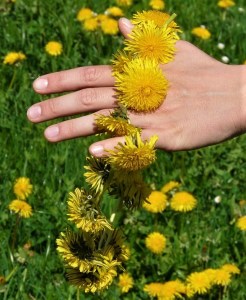
My father, noted for his dandelions obsession, would have me busy every available free moment years ago it seemed, dandelion puller in hand, sent out to pull and dispatch the lowly yellow flowers out of our burgeoning green lawn.

“Now, get down deep and pull ’em up by the roots or they’ll surely come back on us, son!”

My idea of true technological progress was when my father came home one day with a long-handled dandelion puller newly purchased from the hardware store, one I didn’t have to bend over all day with or crawl around the yard on hands and knees.  Yep, modern science had come a long way. I could pull ’em standing up!


In the suburban sprawl era of the early ’60s with new subdivisions sprouting up everywhere, my father could and did spend hours talking with other men in the neighborhood about — Grass.

Seriously weighing the merits of one variety of grass versus another and how best to care for their lawns.

Those out there on the very cutting edge of technology were experimenting with the new Zoysia Grass just becoming available at the time, and “plugging” their lawns with it.  Anybody in their right mind seeded. Everybody knew that.  They were “plugging!”

“Poor Troutman’s lost his mind this year with that Zoysia grass.”
“Gonna have an ugly mess on his hands for sure!”

“That Zoysia stuff turns brown like straw all winter.  A real fire hazard, that!  He’ll be sorry.”

“Well, he’s a young college guy and doesn’t know anything.  He’ll learn.  Ya just can’t beat good ol’ Kentucky Blue Grass.”

“Nah, that stuff burns up in the summer heat.  I’ll stick with my Fescue.”

And on and on it went. Heady stuff, those evening, after-dinner grass meetings on the sidewalk.  We won’t even go into Crabgrass debates.  And what in the world to do about that guy on the corner and his dandelion infested yard, blowing seeds all over the neighborhood?

“Who does Baggett think he is, after all, a Dandelion Farmer? Look at his mess down there! Why doesn’t he get out and pull those dad-gummed weeds?!?”


The beauty of one’s lawn was definitely a status symbol in the subdivision back then, as dandelions in your yard certainly meant that you would be looked down upon by all of the folk meticulously fertilizing, treating, and clipping perfectly manicured lawns, proudly pushing their new, bright green Scotts’ spreaders in front of them while whistling a happy tune, dandelion digger tucked into their belt or back pocket.  And yes, there was a distinction.  Farmers ‘mowed’ down weeds.  Lawn aficionados ‘clipped’.

Folks with dandelions in their yards were judged to be lazy, uncaring, and downright disrespectful because soon those wicked seed puffs would be blowing thru the air on spring breezes and re-infesting all of the honorable and upstanding folks’ yards.

Such was life in the suburbs during the time of manicured lawns and new homeowners aspiring to be featured on the cover of ‘Better Homes & Gardens’ magazine.


But, let’s hold on just a bit and fast forward several decades.

Honeybees, critical to the world’s food supply, have been decimated in recent years from an assortment of maladies —  colony collapse disorder (CCD), global warming, selective industrial crop plantings, insecticide and herbicide poisoning, the uprooting and destruction of native plant species, and so much more.  They sorely need our assistance for the benefit of the planet, and it just so happens that leaving those dandelions in your yard alone for a while is one of the very best things that you can do to help them in early Spring.


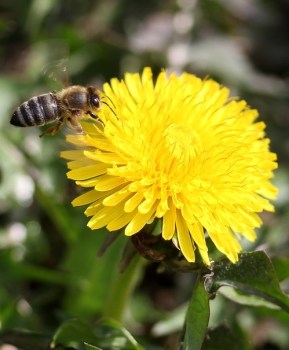
When honeybees and other pollinators first emerge in the very first warm days of early Spring, like bears coming out from their dens after a long Winter and having depleted their honey stores which kept them going thru the Winter months, they are hungry and in need of nutrition right away. And just as Mother Nature intended, those bright yellow dandelion flowers in your yard are one of the very first emerging and available food sources for them every year.

Each dandelion flower is composed of up to a hundred individual florets, each one packed with needed nectar and pollen before later emerging flowers and plants bloom and are available.  Dandelions are one of the earliest and best food sources for bees and pollinators each Spring.  They count on dandelions for survival.


Not only honeybees feast on the flowers but also bumblebees, hoverflies, beetles, and butterflies.  Later, goldfinches, house sparrows, and others eat the seeds while raising babies in the nests.

For us, young dandelion leaves make a fine addition to spring salads and are loaded with vitamins and antioxidants, and the flowers (leaving some for the honeybees and wildlife) have been made into Dandelion Wine for ages.  Just be sure the plants have not been treated with chemicals or lawn fertilizers for food safety.


So, if it is necessary to mow the grass, please consider raising the height of the cutting blades to safely pass over the dandelion flowers for the first month or so. It makes mowing thick spring grass easier, anyway. And then sit back with your iced tea on the porch to enjoy the parade of honeybees, butterflies, and other visitors to the dandelion flowers in your yard, confident that you are helping both them and the environment.


And if a well-intentioned neighbor makes a comment, just bring them up to speed about why it is so important to simply leave the dandelions be in early springtime, for the sake of the honeybees and pollinators. And us.

Cross-pollination helps at least a third of the world’s food crops and 90% of wild plants to survive.  Without bees to pollinate and spread seeds, many plants, including major food crops that we ourselves depend upon for survival, would die off.  And that is why early spring dandelions are so important.

Some have stated that if honeybees disappeared from the Earth, humans would inevitably follow four years later due to lack of food supplies. If letting the dandelions grow in early springtime helps the bees survive and keeps the grocery shelves stocked, we are all for that.

Besides, I haven’t met the Mother yet who doesn’t delight in a freshly-picked dandelion bouquet from her four-year-old in the Spring.

And, if the dandelions are all mowed down, pulled out, and tossed away — how could we ever hope to make a wish?
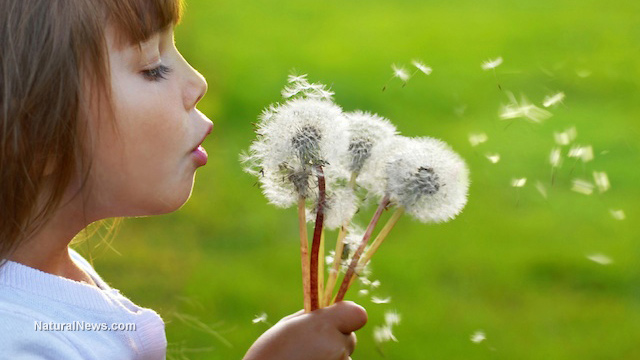


Speaking of dandelion bouquets and making wishes, if you have small children or grandchildren, check out the delightful little children’s book “Why Dandelions Grow” by Nita Marie Clark available on Amazon.

Told in verse with colorful illustrations, the book tells about how dandelions came to be (they seemed to be an afterthought, you know), and is very instructive for youngsters on both dandelions and bees, along with the importance of dandelions to the survival of bees in early springtime.

Little Red Bear and I always advocate teaching children about Nature and its importance, beginning at the earliest age, so they will become involved, learn to appreciate, and care about taking care of and preserving it for the future.  That’s the Little Red Bear way.


Working together we can do our best with Mother Nature to help the bees and other pollinators.

Thanks always for stopping by to visit with us, and please feel free to share this important message with family and friends!

My story friend, Little Red Bear, and I hope you will join us in the “Bee Friends” club and simply sitting back to watch the dandelions grow, confident in knowing that you are doing something positive and a ‘good thing’ for the environment and Mother Nature.  — Jim   (and Red!)

If you enjoyed this feature, you may also like → “Happy Hummer Season! Welcoming, Helping, and Attracting Hummingbirds In Your Neighborhood” 


Think Globally — Act Locally — Tomorrow Begins With You TODAY!

Children + Nature + Outdoors = Happy, Healthy, Balanced Kids


Meet Little Red Bear & His Friends —  “Once Upon A Time In A Very Special Woods . . . .”


Old-fashioned, Family-friendly Stories and Fun for All Ages! 
About an Uncommonly Special Bear and His Friends.

                 “Those who contemplate the beauty of the earth find reserves of strength                   that will endure as long as life lasts.” – Rachel Carson 

This is a purposefully non-monetized, ad-free site to be able to offer the most enjoyable reading and viewing experience for everyone, with all content freely shared, and generates no income to offset the costs of maintaining and operating. If you enjoy your visits and time with us, Join our new Patron Community today. Patrons help my friend Little Red Bear and me to continue this as an ad-free site,  dedicated solely to entertainment and educational purposes.

Because together we can do so much!


“How doth the little busy bee, Improve each shining hour,
And gather honey all the day, From every opening flower!”

 – Isaac Watts, ‘Divine and Moral Songs for Children’ 


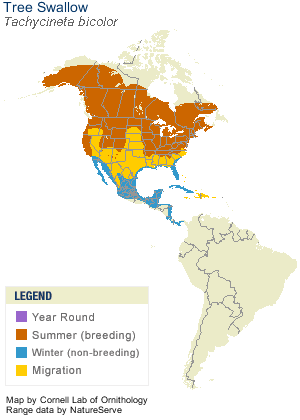
Getting to Know — Tree Swallows

Tree Swallows are among my favorite birds, always delighting in observing their aerial acrobatics in fast pursuit of insects, rapidly twisting and turning thru the air dashing here, there, and everywhere on late summer afternoons and evenings.

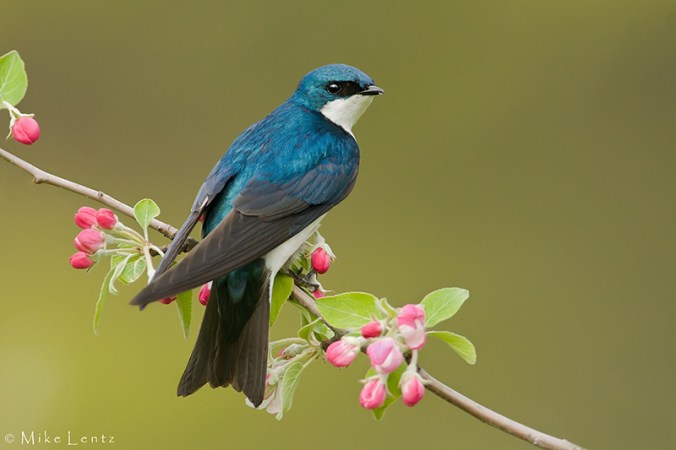
The Tree Swallow (tachycineta bicolor) is one of the most beautiful of the swallow family, with deep-blue, iridescent backs and clean white fronts.  With their steely, bluish-green feathers flashing in the sunlight, Tree Swallows make a most striking appearance and display as they chase thru the air in pursuit of insect food for their families.

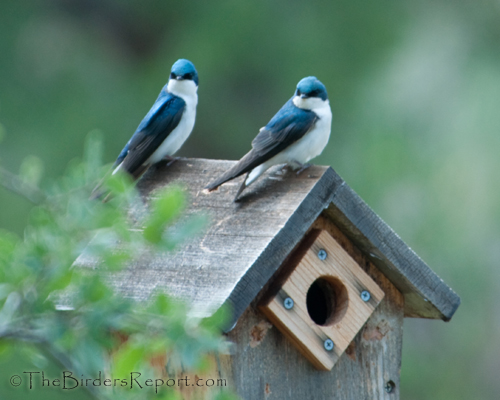
Tree Swallows do not build open, free-form nests of dead grass, leaves, sticks and twigs like many birds, but rather only nest inside cavities, such as old woodpecker holes in trees.  With such natural places in limited supply, nesting sites like these are scarce and at a premium in the spring, on a first-come, first-served basis, with intense competition with everyone looking for a home in which to raise a family.  But fortunately, Tree Swallows also adapt readily to nesting boxes.

You can help the Tree Swallows in your neighborhood by putting out nesting boxes in your backyard.  The birds are a great addition to a backyard or field and will reward you, as many birds and bats do, by regularly patrolling and keeping insects under control and at bay all summer long.

The average adult Tree Swallow consumes 2,000 insects each day during the 45 day nesting period, while also catching approximately 6,000 insects per day to feed to their nestlings over their twenty day stay in the nestbox. Overall, this adds up to about 300,000 insects per family over the 45 day span. Since most of their hunting takes place under a height of 39 feet, that is potentially a lot of insects not pestering you in the backyard over the summer.

That is a good return on the purchase, or for a few boards and time invested in building a nest box. And then you and your family will also be able to enjoy observing these beautiful birds going about their business darting and dashing thru the air and raising their young thru the whole season.

For more information on Tree Swallows, please visit the Tree Swallow Nesting Project and Building Nesting Boxes for some easy how-to guides.

Thanks as always for visiting.  If you have stories or experience with these beautiful birds or helping them with nest boxes at your home, please feel free to share with us in the comments.  —  Jim (and Red!)

Family Times — Together Times — The Best Times!

Children + Nature + Outdoors = Happy, Healthy Balanced Kids


Old-fashioned, Family-friendly Stories and Fun for All Ages and Fitness Levels!
About an Uncommonly Special Bear and His Friends.


Back To Work With Little Red Bear — “The Second Holler Over!”

Hey, y’all.  Thought it might be time for a progress update on the next collection of Little Red Bear stories, to bring everyone up to date on what’s going on behind the scenes as we are into the new year now.  With the the holiday season concluded, we are back at work writing the next collection of Little Red Bear adventures for you — “The Adventures of Little Red Bear: The Second Holler Over!”

Bobo and Lily have returned from their Christmas visit with black bear relatives in the Smoky Mountains now, and Red has rounded up Cinnamon Charlie, Albuquerque, Swinestein, “Howdy!”, Stillwater, Bayou Bill and the others back from their holiday vacation trips, as well. Indian John and Aunt Ivy have been dropping by daily, anxious to get back to work on the stories. Even Farmer Turner is here, this being his slower time of year during the winter months until spring planting season arrives.

And naturally, everyone’s favorite little red squirrel, Rusty the Fairydiddle, is back after his co-starring role in the “Pine Holler Christmas” story adventure, with Little Red Bear and Cinnamon Charlie.

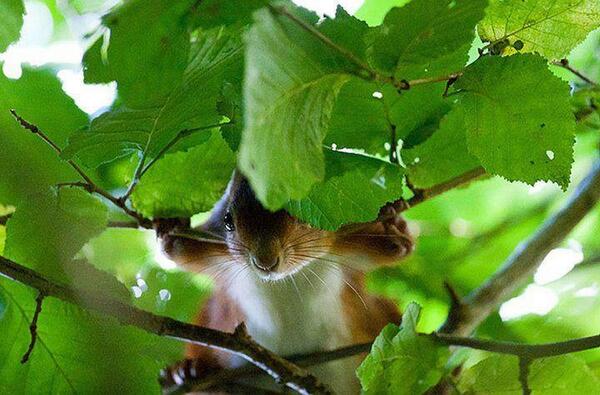
Rusty the Fairydiddle, Red Squirrel Reporter on the Job!

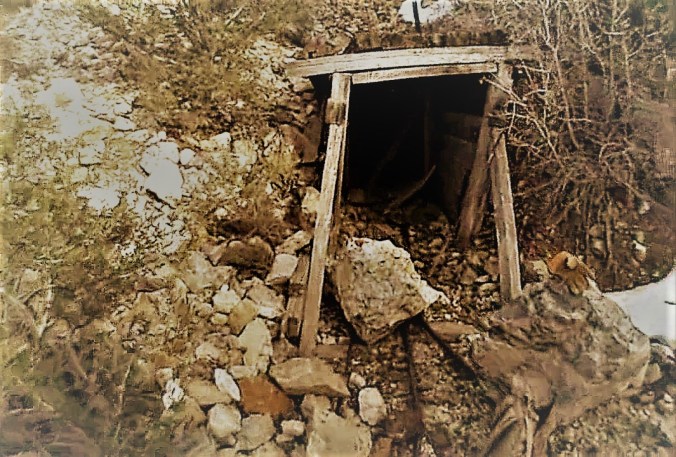
The old prospector Packsaddle Pete is back too, with another adventure in mind. That may be a hard sell to the rest of the group since some of  us remain a little nervous hearing things at night, and still looking back over our shoulders following that “Broken Hill Mine” episode in the first story collection.  But he keeps going on about treasure maps and clues to Jesse James’ lost treasure buried around the area.  I don’t know.  We’ll have to see about that one.

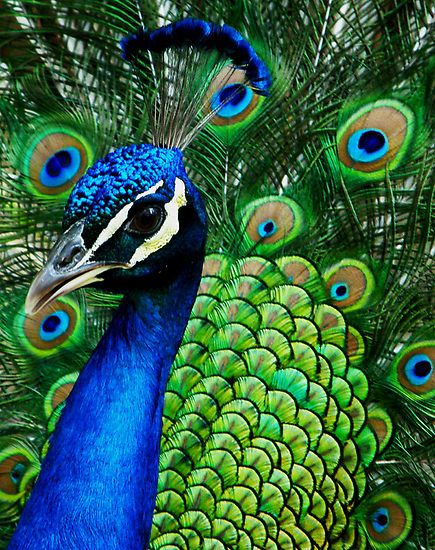
Interviews for prospective new story characters are nearly concluded, with only a gopher, a skink, a second interview with a hedgehog, and a rather persnickety peacock remaining.  And, that really is meant to be ‘skink’ there, for those of you who thought that might be a typo.  We have an opening for a Five-lined Skink (also called a Blue-tailed Skink here in Missouri) in a coming story.  All of the available skunk character positions have already been filled.

Neither Little Red Bear nor I can figure out why peacocks seem so intent on being included in rollicking adventure stories set in the backwoods of the Ozarks Mountain Country.  We had peacocks lined up and applying for roles in the first collection, as well.

This new fellow has even gone so far as to declare that he could perfectly play the role of either a hummingbird or a woodpecker, but my leg only stretches so far.  Sometimes it appears peacocks are merely showing off.  See for yourself from the job application headshot photo he submitted to see what you think.  Do you really see him hovering  in place over a flower like a hummingbird, or grasping the bark while drilling a hole in the trunk of a sugarberry tree?

More suited for the red carpet in Hollywood than a backwoods action/adventure story perhaps, but we’ll interview him anyway. Maybe some other role might pop up for him. Who knows, it might turn into one of those cases where he simply plays himself.

And then we still have that troubling interview with a persistent mountain lion to deal with.  Admittedly, Red and I kept rescheduling that meeting over and over again the past few months hoping the mountain lion would cancel all together and just go away, but he seems determined to get into the stories. I suppose we are going to have to finally sit down with him to do the interview or risk incurring the wrath of the ‘Silly Story Characters Guild’.

No one is really excited about the prospect of an unpredictable mountain lion roaming around the woods. But our attorney, Bob the Badger, is already occupied trying to extend the beaver twins contracts, Flap and Slap.  The beavers are represented by a new agent, Reggie the Wood Rat, trying to make his mark and attract new clients.  And the bees are angry and buzzing about something again, so Badger Bob is busy attending to that matter for us, too. Seems like that stuff never ends sometimes.

So, we will interview the mountain lion, not to cause Bob the Badger anymore unnecessary work.  Might call Bobo to come sit in on that one with us.  Just in case.  I already asked Stillwater, but as you may remember from “The Wildwood Jamboree” story,  he doesn’t generally like to interfere or draw attention to himself so preferred to remain undetected on the sidelines.

The last interview we had been planning is with a human character who keeps calling on the phone saying he is lost and unable to find the place.  After the fifth “I’m lost” call and reschedule, Little Red Bear finally decided to go out to search for the guy himself and lead him in for the interview.  Bobo suggested we just sit and wait to follow the circling buzzards.  He can be that way sometimes.  The fellow’s name is ‘Woods’ something or other, if memory serves me correctly.  Hoping he will show up eventually.

So, except for the last few remaining interviews, all the character slots have been filled, with several new colorful story characters assembled and eager to get to work.  Some of them you may have already met.  Early arrivals already introduced in the “Pine Holler Christmas” story include Littleberry Bedford (the new farmer recently moved into the abandoned Longenecker homestead over by Buffalo Crossing) and his family, old Cooter (the leader of the Hoppers Holler Raccoon Platoon), Floyd the House Mouse, Aunt Alma Mason, Myra Cookson and her ‘Pie Pantry & Goodies Shoppe’ over in Butterfield, Doc Adams, and — Goat.

Others new to the stories include an honest-to-goodness old mountain man given to telling tall tales, a far-from-home moose, a worn out old hound dog, a Native American couple searching for a new home, more problematic pigs, dashing ducks, a bothersome buzzard, a pair of owl brothers setting up to compete with the ‘Squirrelly World’ local newspaper, a performing circus bear (as opposed to Lily and Bobo, who are both retired, as you may recall), a frolicking and unconventional family of woodland bunnies, a Little Red Bear “mini-mini-me wannabe”, and others.

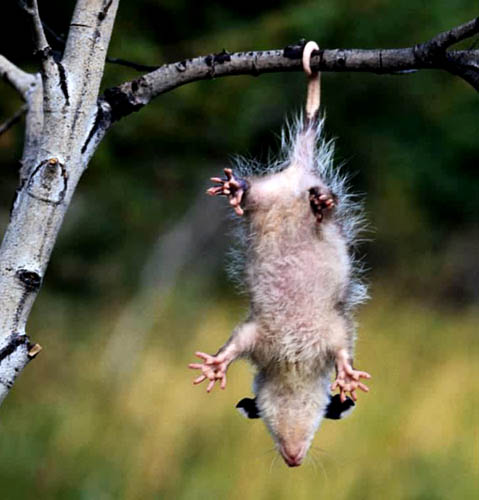
There is also an aged possum who has taken up residence in a pear tree behind Red’s cabin on Honey Hill.  He spends all day hanging upside down by his tail, despite Little Red Bear reminding him that possums “really ain’t supposed to do that”.  But he persists.  With good reason, he says.  Although he hasn’t told us what that reason is yet.

If you recall, there was that expansion work going on over at Bobo and Lily’s cabin in the first stories.  Just a brief mention, but I always wondered myself what that was all about.  Did you?  Bobo and Lily never said.

No collection of Little Red Bear adventures would be complete without some old steam locomotives and trains huffing, chuffing and puffing along. Another circus train, perhaps? There were those circus trains so talked about in the “Crossing the Two Forks” story in the first collection.  Could there be another?  As we learned, traveling circuses are very popular in the small towns, so suppose it could be possible another might be passing thru sometime.

There may be some old steamboats and paddlewheels coming into view around the bend, too.  Or is that just the wind whistling thru the pines?  Little Red Bear is adamant that he hears steamboat whistles coming from the big river, but when he looks nothing is there.  So, what could that be about?  These stories do take place in the land of Mark Twain, after all.

And of course, Little Red Bear and Cinnamon Charlie are always on the lookout for honey.  And as we know from the very first “The Rescue of Little Red Bear” story, that in and of itself can be precarious at times.

Little Red Bear and Cinnamon Charlie have both been working hard to learn ‘Pig’ ever since Swinestein came on the scene in “The Storm” story.  But every language has its own varied dialects, so with more new pigs maybe on the way, I’m hoping that is not another issue for them.  Only time will tell on that, I suppose.

Speaking of Cinnamon Charlie, he’s going to be going into his third year now when young’uns start to venture out on their own a bit more, approaching those “teen” years for a bear, and you never know what that may lead to.

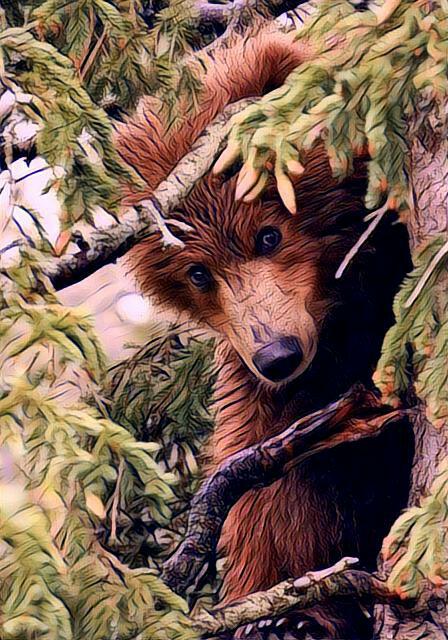
And, not to worry you but suppose you should know, there is a rumour going around the backwoods that there is a giant, hulking and brawny brown bear on his way with an old score to settle with Little Red Bear.  Red is not the smallest, but certainly not the largest of bears either.

That is a little worrisome, given that Red is the main character and they are his stories, after all.  Can’t have anything untoward happen to the main character.  But as merely the writer, I honestly don’t have control over everything, dealing with wildlife with a mind of their own in the stories, so that is a concern.  Must see how that confrontation plays out if it comes to pass.  I’m hoping it’s just a baseless rumour.  Probably started in ‘Squirrelly World’.  But, one never knows I suppose, so best to be on the lookout for potential trouble.  We’ll have the medics standing by, just to be safe.

Also, potentially troublesome, word is going around that the weasels have been busy recruiting a “hired gun” of sorts to come in and deal with Albuquerque, the red fox Sheriff.  According to gossip chatter, it’s a notorious and nasty coyote from out west in Colorado.  That would certainly be a mismatch and could be messy. Sounds like the weasels aren’t going away any time soon and the little sheriff may have his paws full going forward.

There are a few other things happening too, that I probably shouldn’t mention yet, not to keep you awake at night worrying.  Just remember the lessons we learned in the “Sir Snapsalot” story and to never venture into Witches Holler, especially after midnight.

And it would probably be best to ignore the ‘Squirrelly World’ newspaper reviews and steer clear of the buzzards’ new roadside café, and you’ll most likely be fine.  Their ‘Raw Bar’ truly is what it says, although the freshness has recently been called into question.

As you can see, a lot of work to do now to keep new characters occupied and sort out these rumours and such.

If you have not yet read the first set of stories, “The Adventures of Little Red Bear: The First Holler!”, there is still time to catch up because we are going to be very busy here for a while getting the next collection ready for you – “The Adventures of Little Red Bear: The Second Holler Over!” 

As the stories and characters do kind of build one after the other, we always recommend starting at the very beginning for the most fun and entertainment.  “The First Holler!” is available in both Print and eReader versions on Amazon to get you started, and is always Free on Kindle Unlimited.

Thanks as always for stopping by for a visit.  We’ll keep you updated as work progresses and things develop over the coming weeks.

If you’re looking for us, we’ll all be over yonder under the chestnut tree working on the stories.  If you don’t know where ‘over yonder’ is, just ask the possum hanging from the pear tree.  He’ll point you the way.  — Jim (and Red!)

Family Times — Together Times — The Best Times!

Old-fashioned, Family-friendly Stories and Fun for All Ages and Fitness Levels!
About an Uncommonly Special Bear and His Friends.

So You Want To Be A Writer — Dreaming of Chickens . . . .

So, you want to be a writer, you say.  It’s a neat life living in your imagination, you say.   Seems like a fun hobby.  Thoughts to share with the world.  You want to work in your pajamas.  Wake up dreaming about exotic locales and people, you say.

Cool.  But just so you know, this particular writer woke up in the wee hours this morning dreaming he was sleeping outside in a muddy pen in the rain, with chickens and a wet, smelly and cranky fox.  Blow the image for you?

Yeah, someday I may have to try my hand at writing a rich and sensuous romance novel to wake up dreaming about sharing a bottle of wine with someone special on a Riviera beach or in a street-side Paris cafe.  Luscious cheese, a warm croissant and enchanting conversation.  Or a refreshing sea breeze in the air with laughing gulls greeting the sunrise.

Aaahh – who am I kidding?  We both know that’ll never happen and the someone special in the dream would just be another frickin’ chicken anyway.  I have to go.  Need to write about the chickens and add them to the stories before I forget just how dreadfully bad that fox truly smelled.  But yeah — I am writing all that down in my pajamas.  So there’s that.   At 3 a.m.

The muse sends ideas.  I have no control over what they are or when they arrive.  And that’s the writer’s life.

Thanks as always for visiting! — Jim   (and Red!)

Careful What You Dream Of . . . .

Careful What You Dream Of . . . .

Old-fashioned, Family-friendly Stories and Fun for All Ages and Fitness Levels!
About an Uncommonly Special Bear and His Friends.


Birds of Prey– What’s the Hurry?

We most often think as the spring months as being the nesting season for birds.  And it is, for the Cardinals, Sparrows, Robins, Finches and such.  But not for the raptors, birds of prey.  Young raptors, because they are much larger, take a much longer time to grow up and need a head start on the season. So raptors nest in winter.

Remember the images of the nesting Eagles dutifully tending their nest and eggs covered over in the snow?  It takes very dedicated parents to go thru an ordeal like that.  Why the rush?  Why start nesting so early before the weather has changed for the better, we wonder?  Most other birds wait until April or later to arrive at their summer breeding grounds and start to build nests.

Turns out, there’s a very good reason.  It’s all about rodent and other prey animal population control and giving the baby birds of prey an easier start in life.  It takes a long time for large raptors to grow big enough to be independent and hunt on their own.  An early start in the nest allows them the required time to grow and develop, while also insuring that when they are fledged and on their own, there will be a plentiful supply of prey animal babies emerging from their nests and running about at the same time to help make the raptors’ initial hunting forays a little easier and more successful.  Nevertheless, 60% to 70% of Red-tailed Hawks, Owls and other raptors do not survive their first year.  Life is hard for young raptors still trying to figure it out, so being ready early gives them the best chance of survival, while also helping to keep the world from being overrun by mice and other voles.
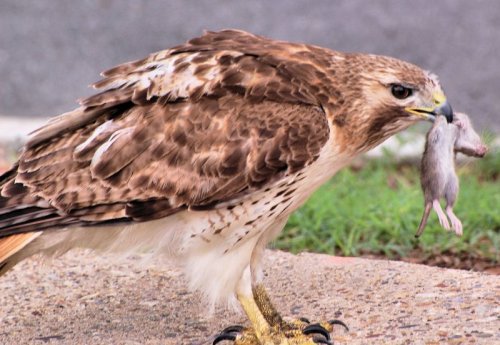
So while the other birds and small animals are just getting started with nest building and babies now, the raptors are already well on their way to being able to greet them when they emerge later.  The early bird gets the, ummm– baby mouse shall we say.  Birds of Prey have a very important role to play in population control and the grand scheme of things as Mother Nature designed, and early nesting gives them the needed head start to make it all work.

Thanks as always for dropping in to visit! — Jim (and Red!)

Red-tailed Hawk with Mouse

Red-tailed Hawk with Mouse

“The Adventures of Little Red Bear” Short Stories Available on Amazon

Old-fashioned Storytelling About An Uncommonly Special Bear and His Friends!

New Writing Boots for Little Red Bear!

When it is time for Little Red Bear and I to sit down and get busy on his story adventures, I put on my writing boots to get to work.  So the title may be a tad misleading.  Little Red Bear does not wear boots, actually.  Overalls and a straw hat a good bit of the time, but no boots.   Surprisingly, they just don’t make them for bears.  The width is the biggest problem for them it seems.  The boots are for me.  I was referring to Red’s stories — “The Adventures of Little Red Bear” and their writing, of course.  It may be these new writing boots, not quite broken in yet that may have caused a little confusion with the title there, and apologize for that.

Little Red Bear and I have begun serious writing work on the next collection of Little Red Bear adventures, so I figured a new pair of Writing Boots was in order, having pretty much worn out three good pairs traipsing over the mountains and thru the hollers writing the first set of stories.  What do you think?  They are a pair of Justin’s Sorrel Apache boots.  Let’s take them for a little Test Write, shall we?

New Writing Boots- Justin Sorrel Apache Boots

New Writing Boots- Justin Sorrel Apache Boots

“Little Red Bear worked his way slowly up the hillside, crouching low behind bushes trying to remain unnoticed by the bees, busily at work on their hive at the crest of the hill.  He stopped to pause momentarily behind a large, flowering Honeysuckle Bush.  For you and I, the scents of honey wafting on the summer breeze in the direction of Little Red Bear would be undetectable.  But being a bear, he knew exactly where the hive was located, along with the size of the hive and amount of sweet, gooey honey stored inside.  Within an ounce or so anyway, he figured.

“Little Red Bear carefully wrapped his paws around his famed honey whacking stick, getting everything into position before rushing at the beehive.  “Three big steps, whack the hive, grab the honey and dash back home,” he thought to himself.

“All worked out in his mind, Little Red Bear bolted from behind the honeysuckle bush and raced towards the beehive.  Whack!  Just as planned and catching the bees totally by surprise, the beehive crashed to the ground.  But instead of splitting open as they normally do, it began to roll and tumbled over and over down the hillside.  Instantly, Geronimo and Cochise chased after the bouncing beehive.”

Geronimo!  Cochise!  Wait!  Who?  What?  Where did Geronimo and Cochise come from?!?   Must be the new Sorrel Apache writing boots!  Apparently, they’re not quite broken in yet.  I’ll keep working on it.   But I wonder if they might stick around to appear in a story?  We’ll have a talk with them and see.  Just never know who might pop in here.   We had a weathered old mountain man wander in thru the door this morning!   Stay tuned.  Regardless, it looks like there’s still more work to do getting these new writing boots broken in and ready for the next story collection, though.  I’ll get back to work on it.

In the meantime, thanks as always for stopping by for a visit!  Hope you like the new boots.  —  Jim (and Red!)

Sleeping Brown Bear, Pinterest Natilonal Geographic Society, uncredited

“The Adventures of Little Red Bear” Available on Amazon in Kindle and Print.

About An Uncommonly Special Bear and His Friends!

Entertaining Stories for the Young and the Young-at-Heart

Order Your Copy Today!