Welcome to “Springtime in the Ozarks Mountain Country”, Little Red Bear’s newest video and book trailer for the soon to be released “Adventures of Little Red Bear” short stories collection!
With his first collection of short story adventures to be released very soon, Red couldn’t wait to show everyone springtime in his neck of the woods and all that is going on around. As Creative Director on the video projects, Little Red Bear wanted it to be filled only with beautiful images and music for you, but our esteemed attorney, Brooks the Badger, insisted that he include a few promo texts for the upcoming book as well. They finally agreed on just a couple.
If you enjoy Red’s video, please feel free to share and pass along to friends and family, and consider giving him a “Thumbs Up!” like on youtube. It really makes his day as he watches the numbers go up and gets him out working on the next one even sooner.
Big bear hugs and thank you’s to fellow birder Adele Barger Wilson, author of “Bonding With the Barn Swallows” for permitting us to use some of her images, and to the Missouri Wildflower Guide for making their images available for use.
Hope you enjoy it. Thanks for visiting! — Jim (and Red!)
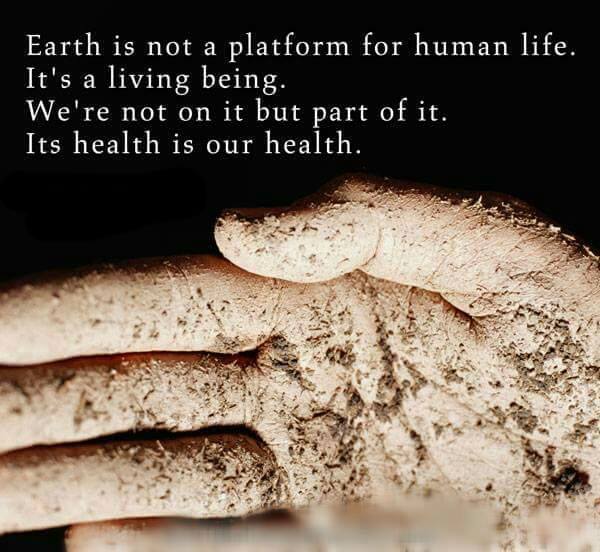
Whoever was the first to coin the term “dominant species on the planet” should have also spent more time addressing the responsibility that comes with that assumption. We need to do better, for the sake of all species and the Earth, not just ourselves.
“Forest, Soil, Water, and Wildlife are mutually interdependent, and the ruin of one element will mean, in the end, the ruin of them all.”
Little Red Bear and I are excited to announce the release of the very first video trailer for the upcoming “The Adventures of Little Red Bear” stories!
“The Adventures of Little Red Bear” is a collection of six short stories about a bear and his many friends living in the scenic Ozarks Mountain Country, with the initial collection of stories entitled “The First Holler!” available on Amazon soon for Kindle and Paperback. Fun, family-friendly and entertaining for all age groups, the stories have underlying themes of positivity, nature, kindness, and helping others. There is always time to stop along the roadside to smell a wildflower and listen to a songbird. The stories are told at an enjoyably relaxing pace in a style I just call “Country Comfortable.”
Hope you enjoy the video. And if you do, please share with friends and family. Red had so much fun serving as Producer and Creative Director on this first trailer that he has the crew out working on more videos right now. He recommends viewing on full screen with the speakers on, for total immersion in the outdoor experience.
Please keep an eye out for more videos coming soon as we near the book release date, some featuring more information about the book and characters, and some others just for fun. You may not be able to teach an old dog new tricks as they say, but perhaps an old man and bear– given enough time and aspirin– can figure out how to make a tolerably presentable video.
Some future videos will feature a number of photos from blog followers and Facebook friends allowing their own images to be shared for the enjoyment of others. As a testament to goodness in the world, every individual approached about sharing photos has agreed enthusiastically without hesitation. As you may expect, while flowers, plants and trees tend to be easier subjects, it’s very difficult sometimes getting a critter to hold still long enough to focus the camera and capture a good likeness, not to mention birds in mid-flight holding their position, not being helicopters as they are.
So Red and I truly appreciate those kindhearted and generous folks permitting us to share their photography work with you as we go along. (And if we unintentionally step on anyone’s copyright toes, please accept our apologies and just drop us a note if there is something not to be shared before showing up on the front porch with a shotgun. Or worse– one of those lawyer fellas.)
We both hope you enjoy these little videos as much as we enjoy making them for you. So here is the first one– “Introducing Little Red Bear.” Thanks as always for reading and following along! – Jim (and Red!)
Getting ready to start work on the garden and yard work soon? Please consider using and decorating with plants, trees and wildflowers native to your geographical region. Here’s why it is so important– the birds and animals in your area have adapted to native plants over thousands of years and are dependent on them. Overrunning the landscape with non-native plants, trees and ornamentals can seriously impact the native wildlife’s food chain and resources.
“Because native insects did not evolve with nonnative plants, most of them lack the ability to overcome the plants’ chemical defenses so cannot eat them. Caterpillars, a particularly important food source for birds, are especially picky about what they feed on. Like the famous monarch butterfly larva, which must have milkweed to survive, more than 90 percent of moth and butterfly caterpillars eat only particular native plants or groups of plants.”
— Laura Tangley, National Wildlife Federation article.
And of course, the birds feed on the insects feeding on the plants. Not only are the insects directly affected, but the pollinators and those that feed on the insects as well, right up the food chain. As more and more imported varieties and ornamentals crowd out native plants, the birds, pollinators and wildlife have an increasingly difficult time. That plant at the nursery might be pretty, but is there another native to the area that might work just as well or better? Check it out. The birds and wildlife will thank you for it!
Remember the images of the nesting Eagles dutifully tending their nest and eggs covered over in the snow the past few weeks? It takes very dedicated parents to go thru an ordeal like that. Why the rush? Why start nesting so early before the weather has changed for the better, we wonder? Most other birds wait until April or later to arrive at their summer breeding grounds and start to build nests.
Nesting Bald Eagle in Snow- Codorus State Park in Pennsylvania, 2015
Nesting Bald Eagle with Eggs in Snow- Codorus State Park in Pennsylvania, 2015
Turns out, there’s a very good reason. It’s all about rodent and other prey animal population control and giving the baby birds of prey an easier start in life. It takes a long time for large raptors to grow big enough to be independent and hunt on their own. An early start in the nest allows them the required time to grow and develop, while also insuring that when they are fledged and on their own, there will be a plentiful supply of prey animal babies emerging from their nests and running about at the same time to help make the raptors’ initial hunting forays a little easier and more successful.
The early bird gets the, ummm– baby mouse shall we say. Check out today’s BirdNote for more.
Of one of my favorite birds, Henry David Thoreau wrote–
“This is the only bird whose note affects me like music. It lifts and exhilarates me. It is inspiring. It changes all hours to an eternal morning.”
The wood thrush’s beautiful, lyric songs echo thru deciduous forests in the eastern U.S. in spring and early summer. A bit smaller than an American Robin, the wood thrush will occasionally nest in suburban areas where there are enough large trees.
Numbers have seriously declined in the past decades due both to loss of habitat and Cowbirds laying eggs in the wood thrush nests, with the result of the thrushes raising more cowbirds than their own species. New preservation and protection zones in the Adirondacks, Smoky Mountains and Ozarks National Forest will hopefully help these beautiful singers to rebound.
Check out the BirdNote presentation to learn more and hear the song of this glorious singer→ the Wood Thrush.
Wood Thrush- via National Audubon Society, by Brian E. Small/VIREO