Available for Preorder Now — “The Adventures of Little Red Bear–The First Holler!”

Ladies and Gentleman, Girls and Boys, Children of All Ages–

Step right up and be ready to be Amazed– be Enchanted– be Mystified– be Amused!

Here Ye, Here Ye! — The big day is here! 

Little Red Bear and I are delighted to announce that the first collection of stories in “The Adventures of Little Red Bear, The First Holler!”  is available for Preorder NOW on Amazon!

AVAILABLE NOW!  OPERATORS ARE STANDING BY!

Calloo-Callay!   Oh Frabjous Day!

Red’s book is ready!  What’s left to say?

The hard work is finished and the stories are written,

Unfortunately, yes, a few folks were bitten.

But not by Red, who’s quite pleasant, you see.

Come meet him yourself, he’s sweet and gentle like me.

We’ve worked long and hard to bring stories to you,

So join us on an adventure and bring the whole crew!

Please tell all your family,  all your friends and your neighbors.

The stories are top notch, just go ask the ‘gators!

We have singing birds, some very worried bunnies,

And lots of bees buzzing, protecting their honeys.

There’s a pair of black bears who sometimes bicker and fuss,

But the stories are “G Rated”, so no one can cuss.

With a fox, and a pig, turtles, beavers and more,

Can’t tell you any others or we’ll spoil what’s in store.

Lots of flowers and trees cover beautiful Honey Hill,

That’s where Red’s cabin is.  Oh, you’re in for a thrill.

So grab up your overalls, old boots and straw hat,

Adventures are waiting, there’s no time left to chat.

The announcement’s right here so you’d be the first to know,

Now off to Amazon thru magical links you can go!

Little Red Bear and friends are anxious to meet you,

So hurry, use the link and that’s all you need do!

Order Your Copy Today!

Bear- Little Red Bear Hiding in Tree

A fun and captivating blend of humor and action/adventure stories featuring Little Red Bear–  a new kind of “Action Hero.” This collection of six short stories, the first in a series, features Little Red Bear, an uncommonly special bear living in the scenic Ozarks Mountain Country of Missouri, just a little south of the Sweet Tea Line, with a great number of friends—woodland critters, barnyard animals and human folk alike.

Exciting and heartwarming stories feature colorful, fun and loveable characters with positive themes of friendship, helping others, kindness and overcoming challenges in life; blended with educational information on the ways of nature, the environment, conservation and a love of the outdoors.

Family-friendly reading entertainment told in an old-fashioned, story-telling tradition in a style and pace we just call “Country Comfortable”, the stories are suitable and fun for all age groups.

Younger children will benefit most from having the stories read to them, as they are not written on a beginner reading level and are not picture book type stories.  Little Red Bear is a real bear living in the mountains and backwoods with real story character companions and activities.  These are not your mother’s cuddly little “Winnie the Pooh” stories.  Just sayin’.

“The Adventures of Little Red Bear” for Kindle will release on June 23rd and is available for preorder on Amazon.  The print version, 302 pages in length, is available on Amazon right now for immediate delivery.  Order your Print Copy today!

On behalf of Red and the whole backwoods crew of characters, thanks as always for following along and supporting us on the journey.  Little Red Bear can’t wait to meet you! —  Jim  (and Red!)

“The Adventures of Little Red Bear”– On Amazon for Kindle & Paperback
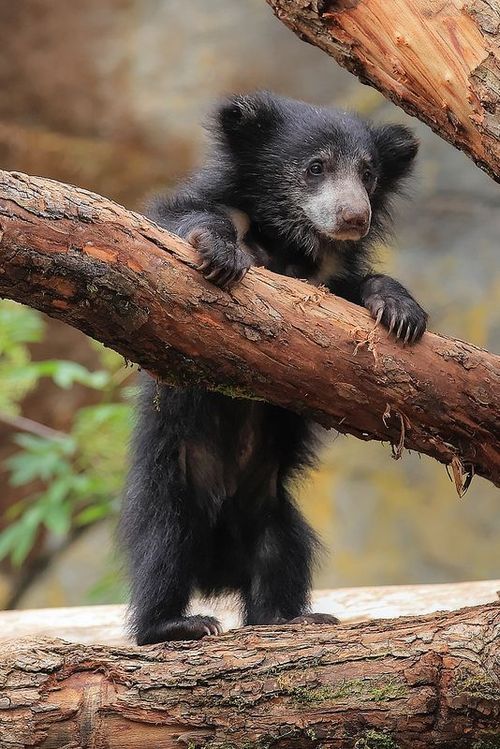
"Will someone please read me a story about Little Red Bear?"

“Will someone please read me a story about Little Red Bear?”


Happy Memorial Day Weekend– Sharing Our Seas & Shores!

Wishing everyone a very Happy and Safe Memorial Day weekend!

If heading to the beach, inland waterways, or anywhere out with nature and wildlife, please remember this is nesting and babies season.  Please teach the kids to keep a respectful distance for their own and the wildlife’s safety not to damage any nests, eggs or babies.  When we are out on the beach, in the woods or on the rivers and streams, we are really guests and visitors in someone else’s home.  Here is a link to a great article and advice from the American Bird Conservancy→ Fish, Swim and Play From 50 Yards Away

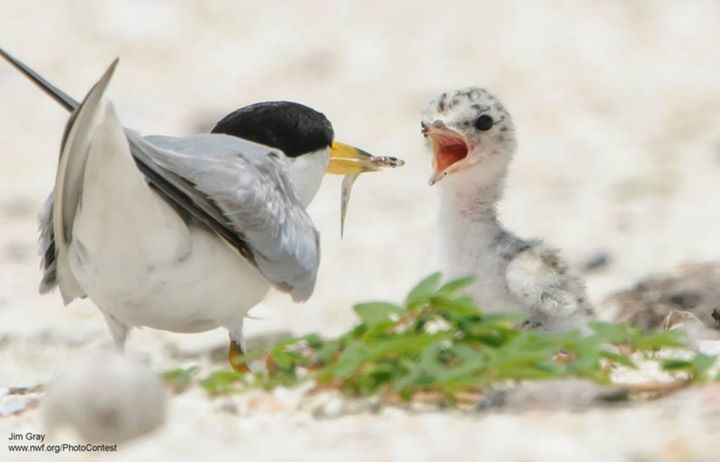
Birds- Shorebird at Fort De Soto Park, Tampa  Pinterest uncredited

For more information, please visit the National Audubon Society→  Sharing Our Seas & Shores

Image via National Wildlife Federation, by Jim Gray

Image via National Wildlife Federation, by Jim Gray

Hope everyone has a chance to have a picnic, go hiking or biking, play softball, go fishing, splash in the surf, go boating or swimming this weekend and enjoy the great outdoors, fresh air, exercise and the start of the summer season!  Remember to bring the sunscreen.  Stay safe and please keep an eye out for rip currents, pedestrians, bicyclists and motorcycles!

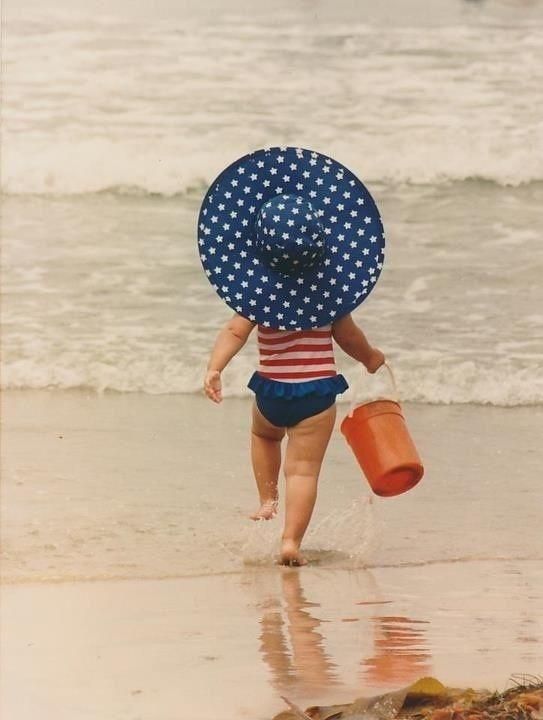
Children- Patriotic little girl at the beach

And please pause for a moment to reflect on the real meaning of the weekend.

 “Memorial Day this year is especially important as we are reminded almost daily of the great sacrifices that the men and women of the Armed Services make to defend our way of life.”– Robin Hayes

Little Red Bear always reminds– “Remember when visiting in Mother Nature’s home, leave nothing behind but footprints, take nothing away but memories, and kill nothing but time.”

Have a wonderful weekend and visit back next week for an important update on “The Adventures of Little Red Bear” short stories collection.  Hint- it’s coming very soon!     — Jim (and Red!)

Birds- Little Blue Heron Family at Lowry Park, Pinterest, not photo signature

Little Blue Heron Family, Paul Fernandez Photography


Endangered Species Day

Today is “Endangered Species Day”, a day set aside by Congress to bring awareness and attention to the plight of endangered, fragile and threatened species.  Folks of all ages can and are encouraged to learn more about the importance of protecting imperiled species and what they can do through their own actions to help.

For more information and links, please visit The Endangered Species Site.

Here are two other links for great information–

From the Park Advocate Site — Nine Endangered National Park Animals.

Black-footed Ferret in a Colorado conservation center. Photo by U.S. Fish and Wildlife Service.

Black-footed Ferret in a Colorado conservation center. Photo by U.S. Fish and Wildlife Service.

From the wonderful folks at BirdNote, a discussion of Piping Plovers and Golden-cheeked Warblers– BirdNote.

Golden-cheeked Warbler, via BirdNote, photo by Greg Lavaty

Golden-cheeked Warbler, via BirdNote, photo by Greg Lavaty

Please learn more and contact your elected representatives to help support the wildlife and plants struggling so hard to survive faced with oppressive habitat loss, climate change, illegal poaching and other dangers.  And please get the children involved, as it is their future we are talking about, as well.

Thanks as always for stopping by!  — Jim (and Red!)

Introducing “Little Red Bear”– the First Book Trailer Video!

Little Red Bear and I are excited to announce the release of the very first video trailer for the upcoming “The Adventures of Little Red Bear” stories!

“The Adventures of Little Red Bear” is a collection of six short stories about a bear and his many friends living in the scenic Ozarks Mountain Country, with the initial collection of stories entitled “The First Holler!” available on Amazon soon for Kindle and Paperback. Fun, family-friendly and entertaining for all age groups, the stories have underlying themes of positivity, nature, kindness, and helping others.  There is always time to stop along the roadside to smell a wildflower and listen to a songbird.  The stories are told at an enjoyably relaxing pace in a style I just call “Country Comfortable.”

Hope you enjoy the video. And if you do, please share with friends and family. Red had so much fun serving as Producer and Creative Director on this first trailer that he has the crew out working on more videos right now. He recommends viewing on full screen with the speakers on, for total immersion in the outdoor experience.

Please keep an eye out for more videos coming soon as we near the book release date, some featuring more information about the book and characters, and some others just for fun. You may not be able to teach an old dog new tricks as they say, but perhaps an old man and bear– given enough time and aspirin– can figure out how to make a tolerably presentable video.

Some future videos will feature a number of photos from blog followers and Facebook friends allowing their own images to be shared for the enjoyment of others. As a testament to goodness in the world, every individual approached about sharing photos has agreed enthusiastically without hesitation. As you may expect, while flowers, plants and trees tend to be easier subjects, it’s very difficult sometimes getting a critter to hold still long enough to focus the camera and capture a good likeness, not to mention birds in mid-flight holding their position, not being helicopters as they are.

So Red and I truly appreciate those kindhearted and generous folks permitting us to share their photography work with you as we go along.  (And if we unintentionally step on anyone’s copyright toes, please accept our apologies and just drop us a note if there is something not to be shared before showing up on the front porch with a shotgun.  Or worse– one of those lawyer fellas.)

We both hope you enjoy these little videos as much as we enjoy making them for you.  So here is the first one– “Introducing Little Red Bear.”   Thanks as always for reading and following along! – Jim (and Red!)

Native Plants for Birds & Wildlife

Getting ready to start work on the garden and yard work soon?  Please consider using and decorating with plants, trees and wildflowers native to your geographical region.  Here’s why it is so important– the birds and animals in your area have adapted to native plants over thousands of years and are dependent on them.  Overrunning the landscape with non-native plants, trees and ornamentals can seriously impact the native wildlife’s food chain and resources.

“Because native insects did not evolve with nonnative plants, most of them lack the ability to overcome the plants’ chemical defenses so cannot eat them. Caterpillars, a particularly important food source for birds, are especially picky about what they feed on. Like the famous monarch butterfly larva, which must have milkweed to survive, more than 90 percent of moth and butterfly caterpillars eat only particular native plants or groups of plants.”

— Laura Tangley, National Wildlife Federation article.

And of course, the birds feed on the insects feeding on the plants.  Not only are the insects directly affected, but the pollinators and those that feed on the insects as well, right up the food chain. As more and more imported varieties and ornamentals crowd out native plants, the birds, pollinators and wildlife have an increasingly difficult time. That plant at the nursery might be pretty, but is there another native to the area that might work just as well or better? Check it out.  The birds and wildlife will thank you for it!

For more information and to read the article in entirety → “Chickadees Show Why Birds Need Native Trees”

Thanks as always for reading.    — Jim (and Red!)

Birds- Chickadee, Carolina Chickadee via National Wildlife Federation FB, photo by Doug Tallamy

Carolina Chickadee via the National Wildlife Federation. Photo by Doug Tallamy.

Old-fashioned, Family-friendly Stories and Fun for All Ages and Fitness Levels!
Join us for an Adventure in the beautiful Ozarks Mountain Country!

Birds of Prey– Why the Rush?

Remember the images of the nesting Eagles dutifully tending their nest and eggs covered over in the snow the past few weeks?  It takes very dedicated parents to go thru an ordeal like that.  Why the rush?  Why start nesting so early before the weather has changed for the better, we wonder?  Most other birds wait until April or later to arrive at their summer breeding grounds and start to build nests.

Turns out, there’s a very good reason.  It’s all about rodent and other prey animal population control and giving the baby birds of prey an easier start in life.  It takes a long time for large raptors to grow big enough to be independent and hunt on their own.  An early start in the nest allows them the required time to grow and develop, while also insuring that when they are fledged and on their own, there will be a plentiful supply of prey animal babies emerging from their nests and running about at the same time to help make the raptors’ initial hunting forays a little easier and more successful.

The early bird gets the, ummm– baby mouse shall we say.   Check out today’s BirdNote for more.